
玩具卸売コレクション
バイヤー
玩具卸売コレクション
玩具卸売コレクションは輸入業者、卸売業者、小売店、オンライン販売者が中国玩具を比較するためのB2Bページです。SKUまたはカテゴリー、数量、対象市場、包装、証明書要件を送ると、TopToyFactoryがMOQ、ケース入数、カートンCBM、サンプル、納期、FOB / EXW価格を確認します。
閲覧 TopToyFactory 作成者 product カテゴリー, buying scenario ・ ケース-pack planning path. Every collection is generated from existing TopToyFactory product data ・ uses crawlable links.
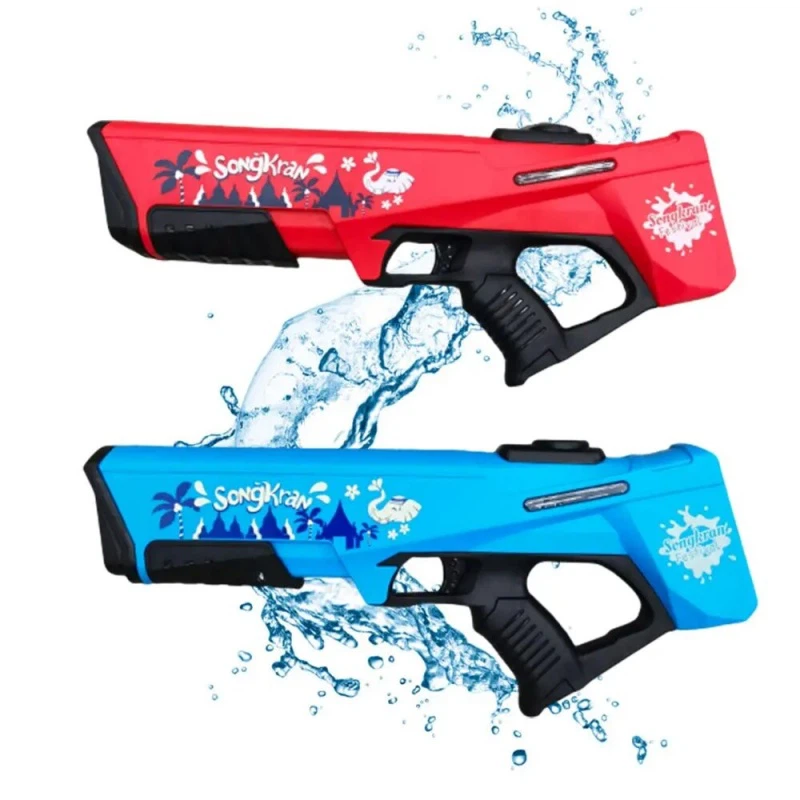 夏のおもちゃ274 件
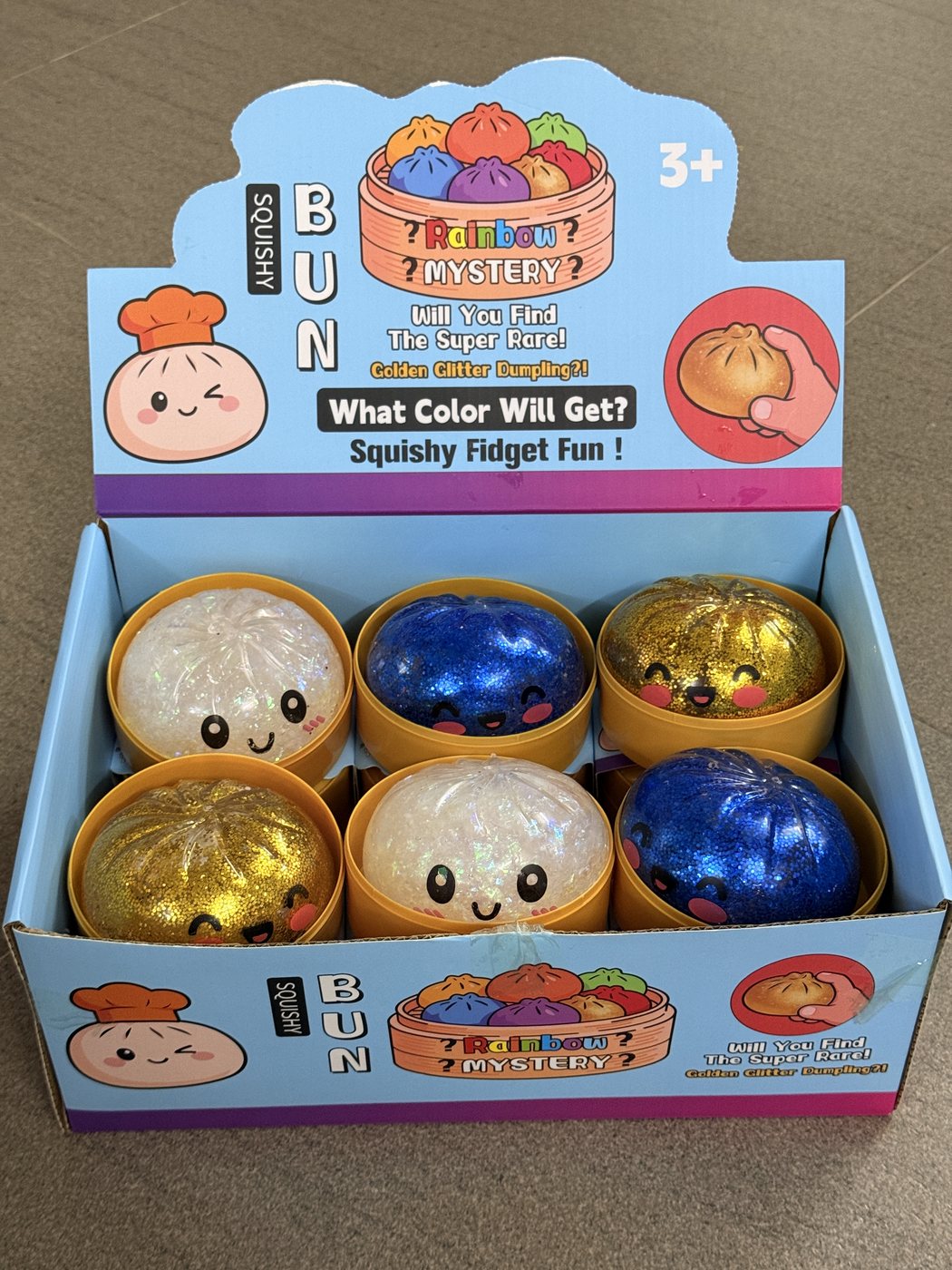 スクイーズ 玩具40 件人気商品104 件
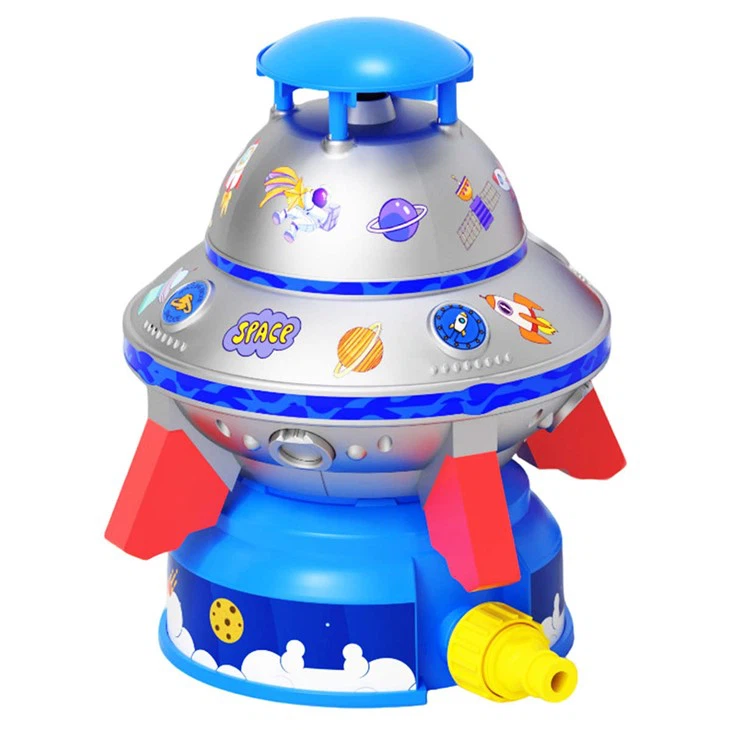 アウトドア玩具100 件
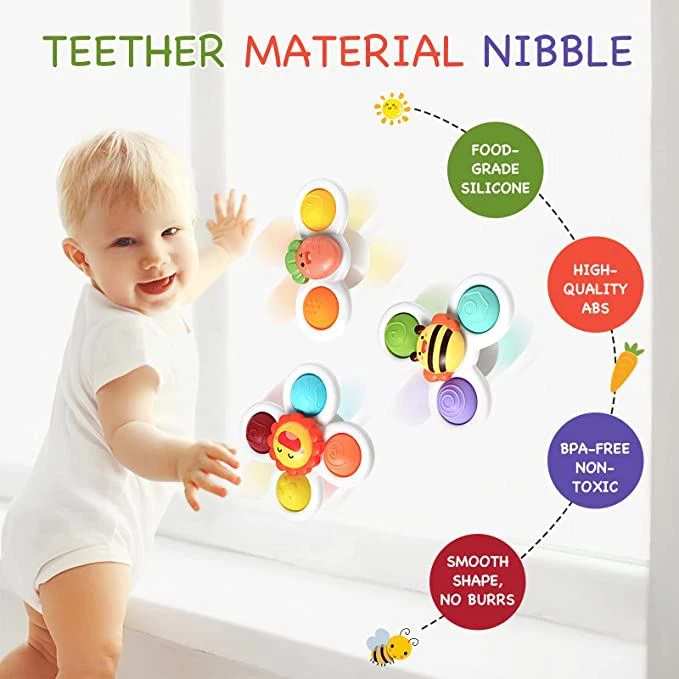 知育玩具24 件
用途から探す
すべて TopToyFactory サブカテゴリー
How importers should compare 卸売 玩具 商品カテゴリー
Start 付き the intended retail channel ・ age range, then compare product function, 素材, 包装 footprint, ケース入数 ・ repeat-order potential. A broad collection is useful for discovery, but commercial decisions should be made against the exact item number ・ approved sample.
Build a shortlist acrosswater 玩具,シャボン玉玩具・知育玩具, then send quantities, country ・ 包装 requirements in one RFQ. TopToyFactory confirms current MOQ, carton data, 納期, sample 利用規約 ・ available destination-market evidence for each selected SKU.
Start 付き the buying job, then narrow to an item
The collection directory is a discovery tool 輸入業者向け, retailers, distributors, 学校 suppliers ・ online sellers. Begin 付き the channel, age range, season ・ use ケース, then compare the exact product, 素材, package, MOQ, ケース入数 ・ destination-market document path.
A broad カテゴリー can help build a shortlist, but a quotation should always refer to item numbers ・ an approved sample. This keeps product, 包装 ・ logistics assumptions visible when several カテゴリー are combined in one RFQ.
カテゴリー paths for common 卸売 programs
水鉄砲, シャボン玉玩具, アウトドア玩具, STEM玩具, スクイーズ 商品, パーティー景品 ・ OEM programs each need a different buying brief. Use the カテゴリー page to identify a product family, then 開く the product records that match the age range, package format ・ target channel.
For mixed assortments, list every selected SKU ・ identify whether the carton is fixed, mixed or confirm 作成者 SKU. This gives sales enough information to confirm ケース入数, carton dimensions ・ CBM instead of returning a generic catalog answer.
- Seasonal water ・ シャボン玉 programs: compare function, package, summer timing ・ carton footprint.
- Educational programs: compare activity, learner count, component list ・ instructions.
- OEM programs: separate standard catalog, artwork change, custom component ・ new tooling paths.
How to prepare a consolidated RFQ
Include collection or product URLs, item numbers, target quantity, destination country, sales channel, package request, sample requirement ・ compliance questions. Ask for current MOQ, sample 利用規約, ケース入数, carton data, CBM, FOB or EXW assumptions ・ available item-level documents.
If an order contains multiple カテゴリー, keep one row per SKU ・ package version. A consolidated RFQ can use one commercial brief while preserving the facts needed for each product.
次へ step for buyers
Use the カテゴリー links to build a short list, save 商品 to the quote 見積もりカート where appropriate ・ send the final request through the contact path. TopToyFactory confirms current commercial details against selected items rather than promising one カテゴリー-wide 価格 or certificate status.
Unknown values should be marked confirm 作成者 SKU. MOQ, ケース入数, carton size, materials ・ document availability can differ between 商品 in the same collection.
- Choose 商品 作成者 channel, age range ・ use ケース.
- Record sample, 包装 ・ logistics questions before requesting a quote.
- Send a consolidated RFQ 付き the destination market ・ target quantity.
Can I request several 玩具 カテゴリー in one RFQ?
Yes. List each item number or URL, target quantity, package request, destination ・ sample need so MOQ, carton data ・ document status can be confirmed 作成者 SKU.