
Wholesale Toy Collections for Importers and Retail Buyers
Browse TopToyFactory by product category, buying scenario and case-pack planning path. Every collection is generated from existing TopToyFactory product data and uses crawlable links.
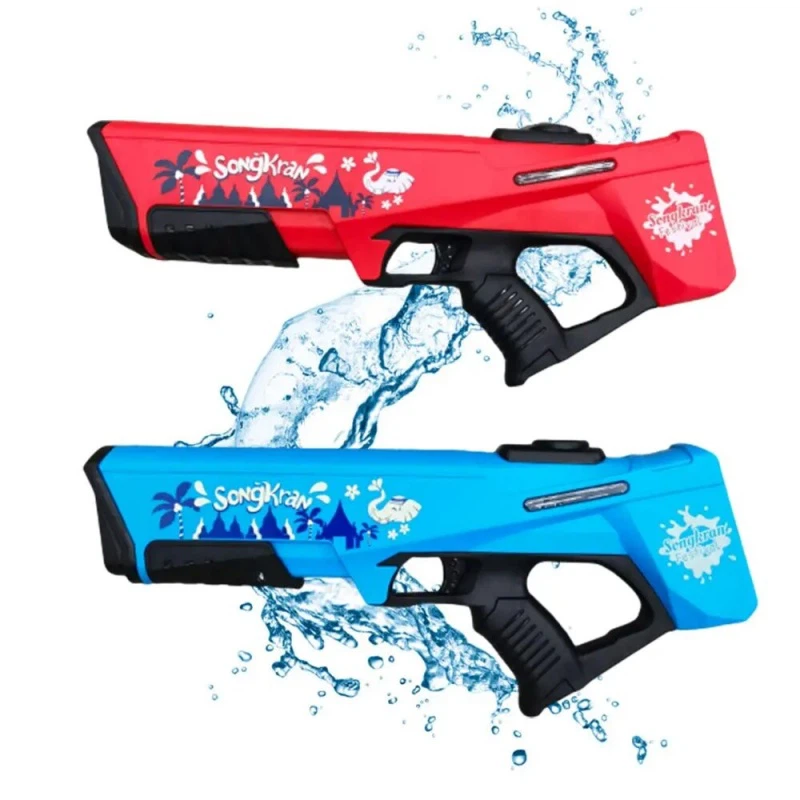 Summer Toys274 items
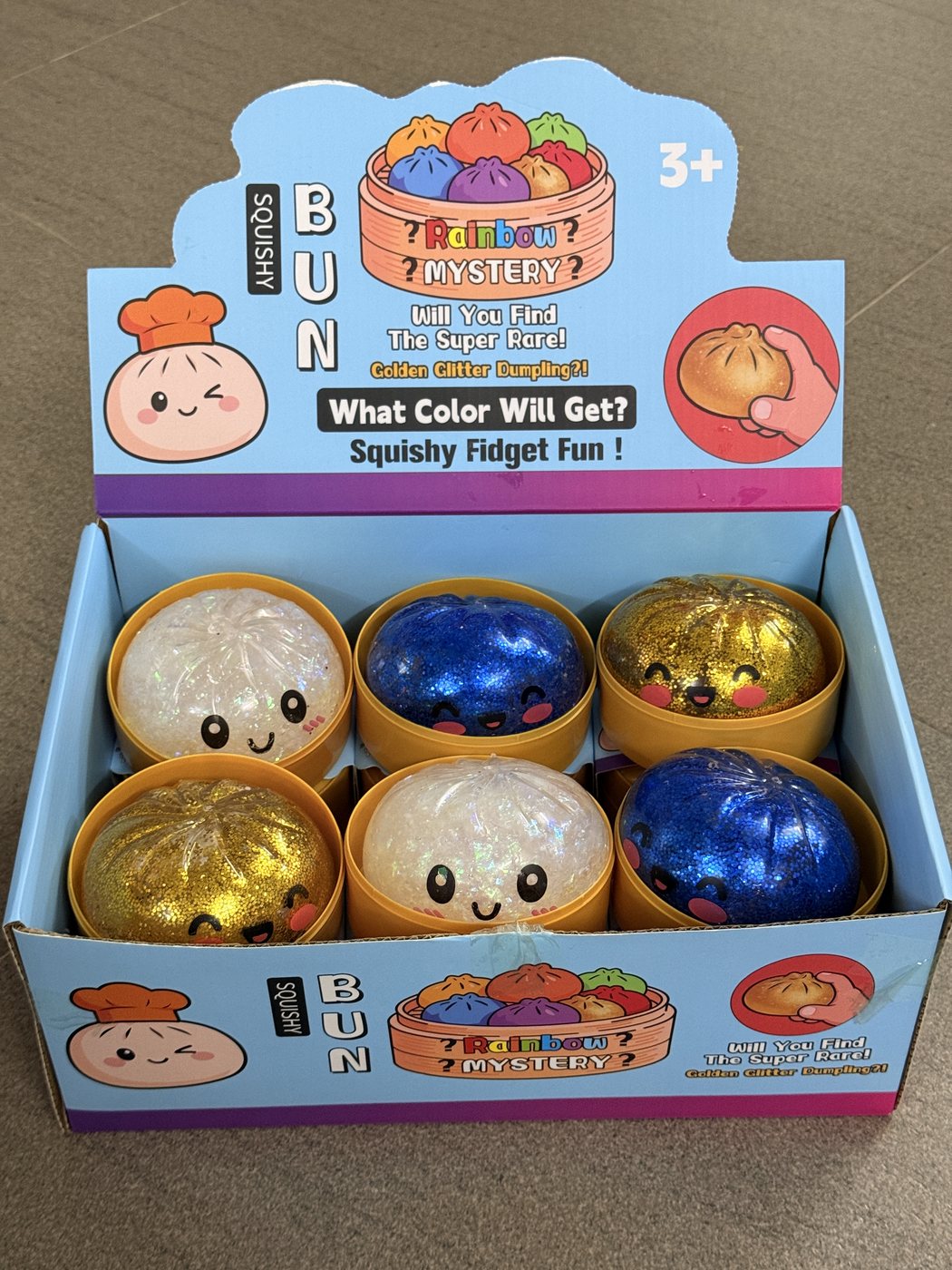 Squishy Toys40 itemsHot Sellers104 items
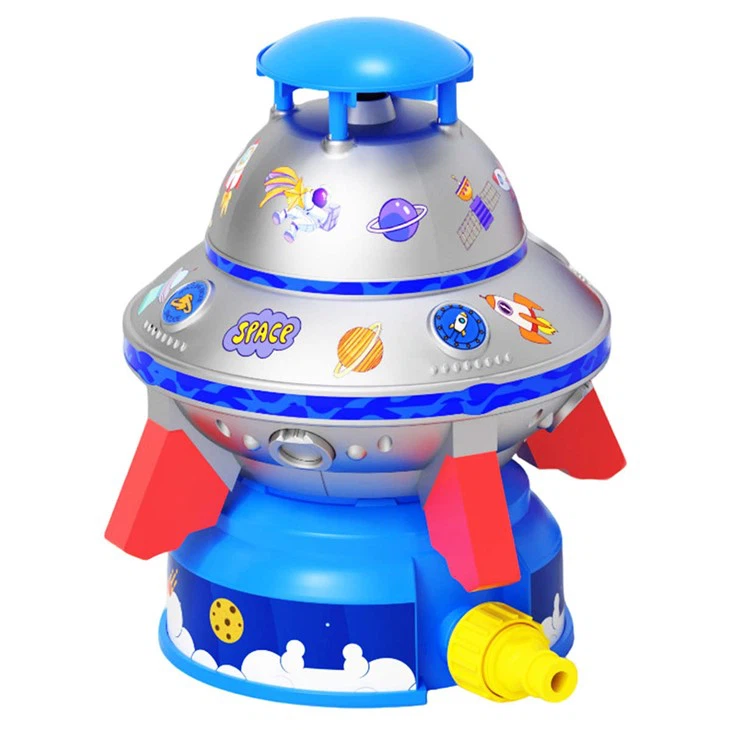 Outdoor Toys100 items
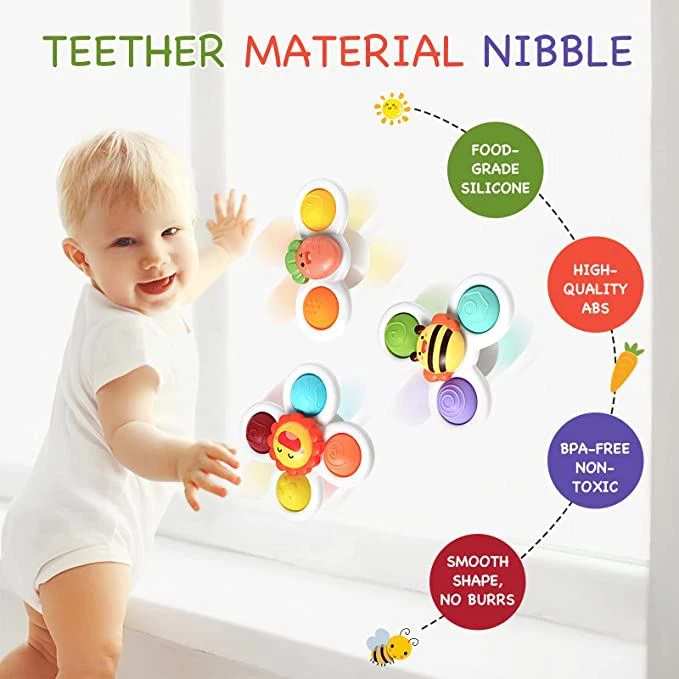 Educational Toys24 items
Shop By Use
All TopToyFactory Subcategories
How importers should compare wholesale toy collections
Start with the intended retail channel and age range, then compare product function, material, packaging footprint, case pack and repeat-order potential. A broad collection is useful for discovery, but commercial decisions should be made against the exact item number and approved sample.
Build a shortlist acrosswater toys,bubble toysandeducational toys, then send quantities, country and packaging requirements in one RFQ. TopToyFactory confirms current MOQ, carton data, lead time, sample terms and available destination-market evidence for each selected SKU.
Start with the buying job, then narrow to an item
The collection directory is a discovery tool for importers, retailers, distributors, school suppliers and online sellers. Begin with the channel, age range, season and use case, then compare the exact product, material, package, MOQ, case pack and destination-market document path.
A broad category can help build a shortlist, but a quotation should always refer to item numbers and an approved sample. This keeps product, packaging and logistics assumptions visible when several categories are combined in one RFQ.
Category paths for common wholesale programs
Water guns, bubble toys, outdoor toys, STEM toys, squishy products, party favors and OEM programs each need a different buying brief. Use the category page to identify a product family, then open the product records that match the age range, package format and target channel.
For mixed assortments, list every selected SKU and identify whether the carton is fixed, mixed or confirm by SKU. This gives sales enough information to confirm case pack, carton dimensions and CBM instead of returning a generic catalog answer.
- Seasonal water and bubble programs: compare function, package, summer timing and carton footprint.
- Educational programs: compare activity, learner count, component list and instructions.
- OEM programs: separate standard catalog, artwork change, custom component and new tooling paths.
How to prepare a consolidated RFQ
Include collection or product URLs, item numbers, target quantity, destination country, sales channel, package request, sample requirement and compliance questions. Ask for current MOQ, sample terms, case pack, carton data, CBM, FOB or EXW assumptions and available item-level documents.
If an order contains multiple categories, keep one row per SKU and package version. A consolidated RFQ can use one commercial brief while preserving the facts needed for each product.
Next step for buyers
Use the category links to build a short list, save products to the quote cart where appropriate and send the final request through the contact path. TopToyFactory confirms current commercial details against selected items rather than promising one category-wide price or certificate status.
Unknown values should be marked confirm by SKU. MOQ, case pack, carton size, materials and document availability can differ between products in the same collection.
- Choose products by channel, age range and use case.
- Record sample, packaging and logistics questions before requesting a quote.
- Send a consolidated RFQ with the destination market and target quantity.
Can I request several toy categories in one RFQ?
Yes. List each item number or URL, target quantity, package request, destination and sample need so MOQ, carton data and document status can be confirmed by SKU.