
The single most important takeaway for any B2B buyer sourcing toys for children under 3 is that structural safety requirements—not just chemical testing—are the leading cause of recalls. Small parts that detach, sharp edges, cords that strangle, and magnets that migrate are the primary culprits. This guide provides a due diligence checklist for procurement professionals to verify that a supplier's manufacturing processes and quality controls meet these critical safety standards. It covers small parts testing per 16 CFR 1501, edge requirements (radius ≥2mm), cord length limits (≤22cm), and magnet flux index regulations, helping you avoid costly compliance failures and protect your brand.

Key Takeaways
- Small parts testing is non-negotiable: any toy intended for under-3 must pass the small parts cylinder test (16 CFR 1501) both before and after abuse testing.
- Edge rounding must meet a minimum radius of 2mm for all accessible edges; use a radius gauge or supplier's documented QC process to verify.
- Cords and elastics on toys for this age group must not exceed 22cm in length when measured free-hanging, per ASTM F963 and EN 71-1.
- Magnets in infant toys must have a flux index below 50 kG²·mm² (per ASTM F963-17) to prevent internal injury if swallowed.
- A supplier's QC documentation and third-party lab reports (e.g., from SGS, Intertek, or Bureau Veritas) are your best evidence of compliance—never rely on verbal assurances alone.
Suppliers Compared
| Supplier | Specialty / Strengths |
|---|---|
| MOQ | Varies by spec |
| Price Posture | Varies by spec |
| Authorized? (Relevant certs) | Varies by spec – ask for 3rd-party lab reports |
| Ships from | Typically China (Yantian/Shanghai ports) |
Supplier-by-Supplier: What to Look For
When evaluating any wholesale toy manufacturer for under-3 products, the first filter is whether they can produce to your target market's safety standards (e.g., ASTM F963 for the US, EN 71 for the EU). Ask for a compliance matrix that shows they understand the specific structural requirements for infant and toddler toys.
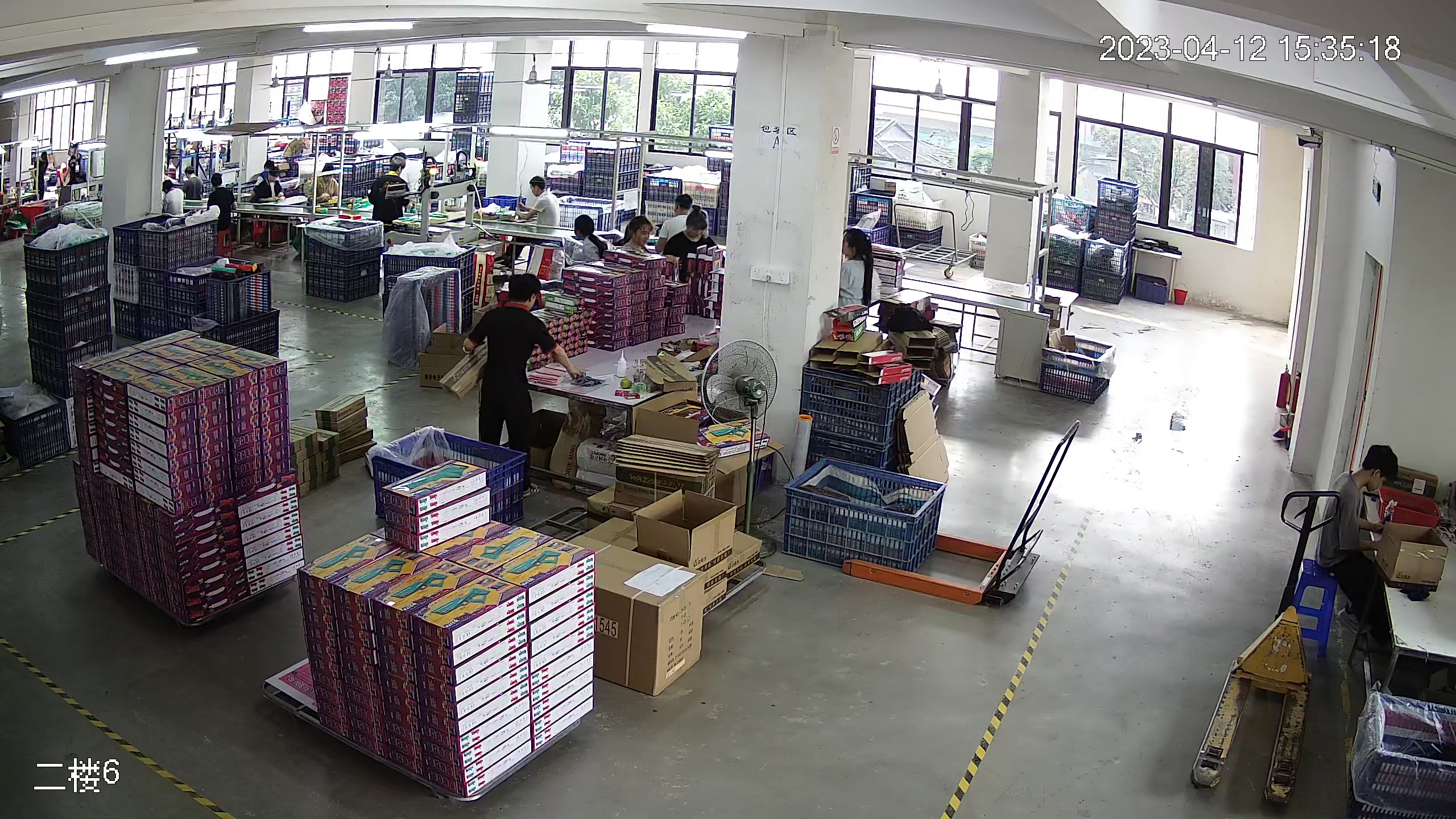
Check if the supplier has a dedicated QC team that performs in-process inspections during molding and assembly, not just final random sampling. A supplier that can show you its small parts testing protocol for every batch (including pre- and post-abuse testing) is a safer bet than one that only provides a generic certificate.
For edge rounding, request a radius gauge test report on a sample from a recent production run. A supplier that uses automated deburring and edge-rounding stations (e.g., tumbling or robotic sanding) is more consistent than one relying on manual hand-finishing.
Cord length and magnet compliance require attention during the design phase, not just at QC. Ask if the supplier's engineering team reviews cord lengths and magnet placement during the tooling/custom mold stage. A supplier that flags a design issue proactively is worth far more than one that catches it after production.
How to Choose: Practical Trade-Offs
Choose a supplier that offers 3rd-party lab testing reports (from SGS, Intertek, Bureau Veritas) for small parts, edges, cords, and magnets as part of their standard process if you are sourcing for a developed market like the US or EU. These markets have high enforcement and steep penalties for non-compliance.
If you are sourcing for emerging markets (e.g., Southeast Asia) where enforcement is lighter, you might opt for a supplier with lower unit costs but still require a basic structural safety checklist. However, be aware that even in these markets, major retailers increasingly demand ASTM or EN compliance.
A supplier with a documented "eight-gate" supplier audit (covering capacity, QC, certifications, social compliance, etc.) is more likely to have robust safety controls. Ask for a summary of their gate checklist to see how they vet their own subcontractors.
FAQ
What is the small parts cylinder test and why does it matter for under-3 toys?
The small parts test uses a cylinder 1.25 inches (31.7mm) in diameter with a depth of 1 to 2.25 inches. Any toy or part that fits entirely inside the cylinder is a choking hazard and is prohibited for children under 3. This applies both before and after abuse testing (drop, impact, torque).
How do I verify a supplier's edge rounding meets the 2mm radius requirement?
Request a radius gauge measurement report from a recent production run. You can also ask for a video of the gauge being used on random samples. If the supplier cannot provide this, it is a red flag.
What is the maximum allowed cord length on a toy for under-3?
Under ASTM F963 and EN 71-1, cords, elastics, or ribbons that could form a loop and are accessible to a child must not exceed 22cm (approximately 8.66 inches) when measured free-hanging. This includes cords attached to pull toys or pacifier clips.
What magnet flux index is safe for toddlers?
The safe threshold is a flux index below 50 kG²·mm². Magnets above this level can cause serious internal injury if two or more are swallowed and attract through intestinal walls. For under-3 toys, avoid loose or easily detachable magnets entirely.
Should I ask for lab reports from a specific third-party lab?
Yes—SGS, Intertek, Bureau Veritas, and TÜV are widely accepted. A report from the supplier's own in-house lab is useful for process control but does not replace an accredited third-party report for regulatory compliance.
What are the most common recall reasons for infant toys?
The top three are small parts (detached eyes, buttons, or wheels), cords that exceed length limits, and sharp edges or points. Chemical violations (lead, phthalates) are also common but structural issues cause the most immediate physical hazard.
Request a Quote
If you are sourcing infant or toddler toys and need a manufacturer with documented safety processes, contact TopToyFactory (toptoyfactory.com). Request a compliance package including sample test reports and QC documentation to evaluate their capability against this checklist.