
Abandoning Chinese suppliers entirely because of India's 239% toy export surge is a mistake. India's government targets tenfold growth, but its ecosystem lacks the deep specialization found in China's Chenghai cluster—more than 30,000 toy-related businesses, over 2000 mold workshops, and 500 painting factories. Diversify your sourcing strategy by leveraging China's OEM depth for speed and scale, while tapping Indian suppliers for tariff advantages and regional market access. This where to find each type of partner, how to vet them, and what red flags to watch for.
Wholesalers vs Distributors: Know the Difference
A wholesaler buys directly from manufacturers and sells to retailers or other businesses in bulk, often carrying multiple brands and offering less support. A distributor holds exclusive or semi-exclusive rights to a brand in a territory, provides marketing, warehousing, and after-sales service, and typically demands higher commitment.
For toy sourcing, a distributor is your ally if you need brand support and localized inventory (e.g., a dedicated team in India navigating customs and FTA paperwork). A wholesaler works best for smaller quantities and fast stock turns without brand lock-in. Choose a distributor for scale and service; choose a wholesaler for flexibility and lower MOQs.
How to Find Them
Start with trade shows: Hong Kong Toys & Games Fair (January) and India Toy Fair (Kolkata, February) are prime spots to meet both Chinese OEMs and Indian distributors. For Chinese factories, visit Chenghai (Shantou) directly—its 345 sq km hosts over 10,000 toy firms. Use B2B platforms like Alibaba.com or Made-in-China.com, filtering by 'verified supplier' and 'OEM/ODM'. For Indian suppliers, check IndiaMART and TradeIndia, plus government portals like the National Toy Action Plan list.
Leverage industry associations: the Toy Association of India and the Guangdong Toy Association provide directories. For specialized sourcing, consider sourcing agents in Shantou or Delhi who can audit factories and negotiate terms.
How to Evaluate Partners
| Criteria | What to Check |
|---|---|
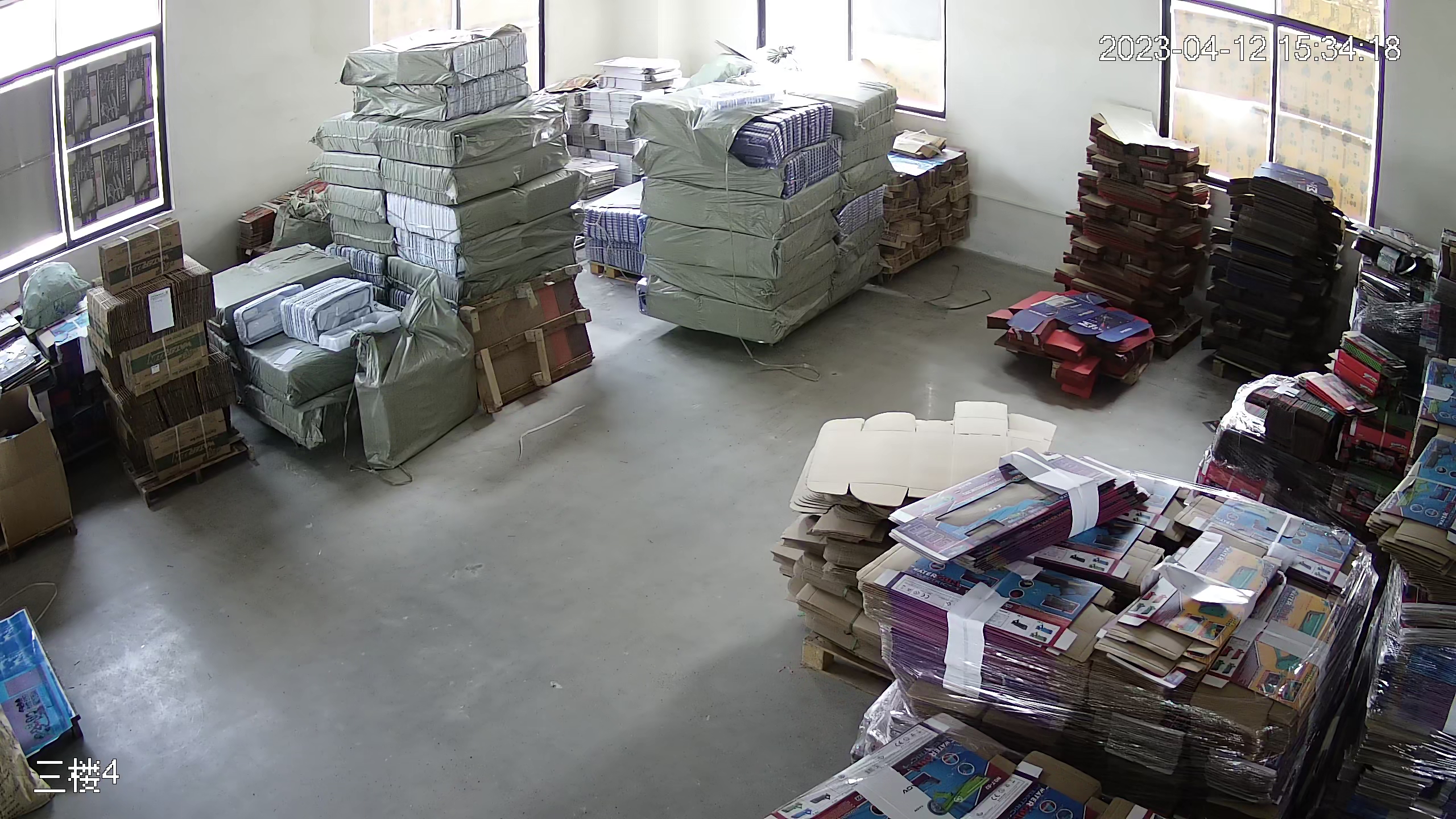
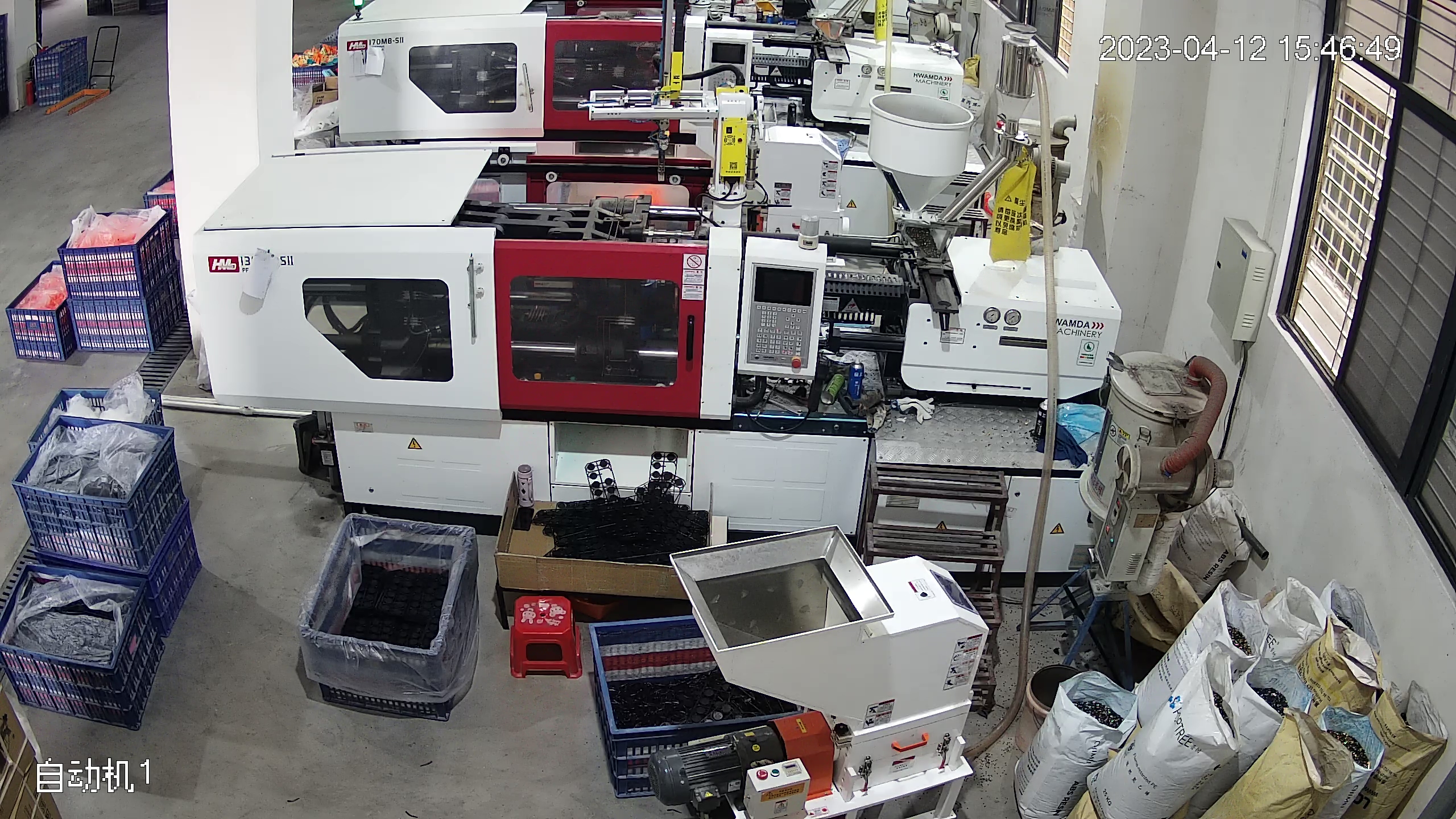
| Manufacturing Depth | Visit the factory floor. In China, check if the supplier sits in a specialized cluster (e.g., Fengxiang for molds, Lianshang for electronics). In India, verify whether they own injection molding machines or rely on subcontractors. |
| FTA Compliance | For Indian suppliers, ask for a certificate of origin to claim duty benefits under India's FTAs with the EU or UAE. Chinese suppliers offer no such advantage but compensate with faster tooling and prototyping. |
| MOQ Flexibility | Chinese OEMs often accept 500-1000 units per SKU for new products; Indian factories may start at 2000-3000. Small retailers should look for Chinese wholesalers who stock ready-to-ship items with no MOQ. |
| Communication & Time Zone | China (UTC+8) overlaps well with US and Europe mornings. India (UTC+5:30) adds a 2.5-hour offset. Both require written specs and clear payment terms. |
| Red Flag | A supplier who avoids a video call or factory tour. In India, beware of brokers claiming FTA benefits without proof. In China, avoid those who cannot show a physical address in a known toy cluster. |
Build & Maintain the Relationship
Share a 6-month rolling forecast so suppliers can reserve mold capacity and raw materials. For Indian partners, respect religious practices—for example, avoid calling during prayer times (five daily) in Muslim-majority regions. For Chinese partners, visit during the Canton Fair or factory open days to strengthen trust.
Use a standard quality agreement (AQL 2.5 for general toys, AQL 1.0 for infant items). Pay deposits via letter of credit or trade assurance for first orders. Keep a backup supplier in each country—if shipping from China gets hit by tariffs, shift volume to India within 2-3 months.
Supplier Evaluation Checklist
Use this list for every shortlisted partner, whether in China or India:
1. Business license and export license (valid, company name matches bank account).
2. Factory visit or third-party audit report (e.g., SGS, Bureau Veritas) within 6 months.
3. Sample testing report from an accredited lab (EN71, ASTM F963, or IS 9873 for India).
4. Reference checks with at least three past buyers (ask about lead time reliability and defect rates).
5. Clear payment terms (30% deposit, 70% against shipping documents is standard).
6. Written agreement on intellectual property protection—especially critical for custom designs in China.
7. Communication responsiveness: reply within 24 hours during business days.
FAQ
Who are reliable wholesale toy manufacturer suppliers in China with competitive pricing?
Reliable suppliers cluster in Chenghai (Shantou)—over 10,000 toy firms, especially in Fengxiang (molds), Lianshang (electronics), and Xinan (painting). Use Alibaba's 'verified supplier' filter and request factory videos. Avoid middlemen who cannot name the actual production site.
What are the typical MOQ and price ranges for a toy manufacturer offering OEM/ODM services?
Chinese OEM suppliers typically require 500-1000 units per SKU for new molds; Indian factories may ask for 2000-3000. Per-unit prices vary by spec (material, complexity, packaging). Always request a cost breakdown: mold fee + unit price + packaging.
Can a toy manufacturer handle custom packaging and design for a new educational toy line?
Yes, most Chinese OEMs in Chenghai offer full design and packaging services. For educational toys, check if they have experience with STEM or early-childhood categories. Indian suppliers may have less design depth but can offer FTA-friendly labeling for regional markets.
Which toy manufacturer in China offers low MOQs and wholesale pricing for small retailers?
Small retailers should target trading companies or wholesale platforms that stock ready-to-ship items (no MOQ). Direct factory MOQs are higher. On Alibaba, filter by 'stock products' or 'small order' and confirm MOQ in writing before negotiating.
What is the typical lead time and shipping cost from a toy manufacturer in China to the US?
Lead time for a new OEM order is 30-45 days (mold making + production). Sea freight from Shenzhen to Los Angeles takes 18-25 days; costs vary by container size and fuel surcharges. Air freight is 5-7 days but 4-5x more expensive.
Request a Quote
Ready to diversify your toy sourcing with a trusted OEM partner? Get a customized quote for your next line—with clear MOQ, lead time, and FTA guidance.