In 2026, one in four toys sold globally carries a "STEM" label, yet independent audits show that over 40% of these products lack any task-based learning goal — they are just colorful kits with a marketing sticker. For a procurement buyer placing a bulk order, verifying STEM toy quality means going beyond the label and auditing whether the supplier's product actually teaches a science, technology, engineering, or math concept through a structured, repeatable task. This how to evaluate supplier claims, what documentation to request, and which red flags signal educational fluff.
Wholesalers vs Distributors
A wholesaler buys directly from the manufacturer in large volume and sells to retailers, often at the best per-unit price but with higher MOQs. A distributor typically holds inventory from multiple brands, offers lower MOQs, and may provide faster shipping, but their pricing is higher per unit. For STEM toy verification, the distinction matters: a manufacturer can provide detailed design specs and task documentation directly; a distributor may only have access to the finished product. If you need to audit the actual educational design, source as close to the factory as possible.
How to Find Them
Start with verified B2B platforms like Alibaba.com and Global Sources, filtering for "manufacturer" or "factory" badges. Check if the supplier lists STEM-specific certifications such as ASTM F963 (US) or EN 71 (EU). Attend trade shows like Hong Kong Toys & Games Fair or Nuremberg Toy Fair to see products in person and meet quality managers. Request references from other educational buyers — a supplier that has worked with schools or curriculum developers will have stronger documentation. Avoid suppliers whose entire catalog consists of generic "STEM" kits without any unique design or task manual.
How to Evaluate Partners
| Evaluation dimension | What to check |
|---|---|
| Task-based goal | Does the product require the child to complete a specific, measurable task (e.g., measure water volume to hit a target height)? |
| Documentation | Request the instruction manual or lesson plan. It should describe the science principle, steps, and data-recording prompts. |
| Certifications | ASTM F963, EN 71, CPSIA, CE. For STEM-specific: ask if the product has been reviewed by an educational association (e.g., "Spiel Gut" in Germany). |
| Material safety | Check for phthalate-free, BPA-free claims. Request third-party lab test reports for lead and heavy metals. |
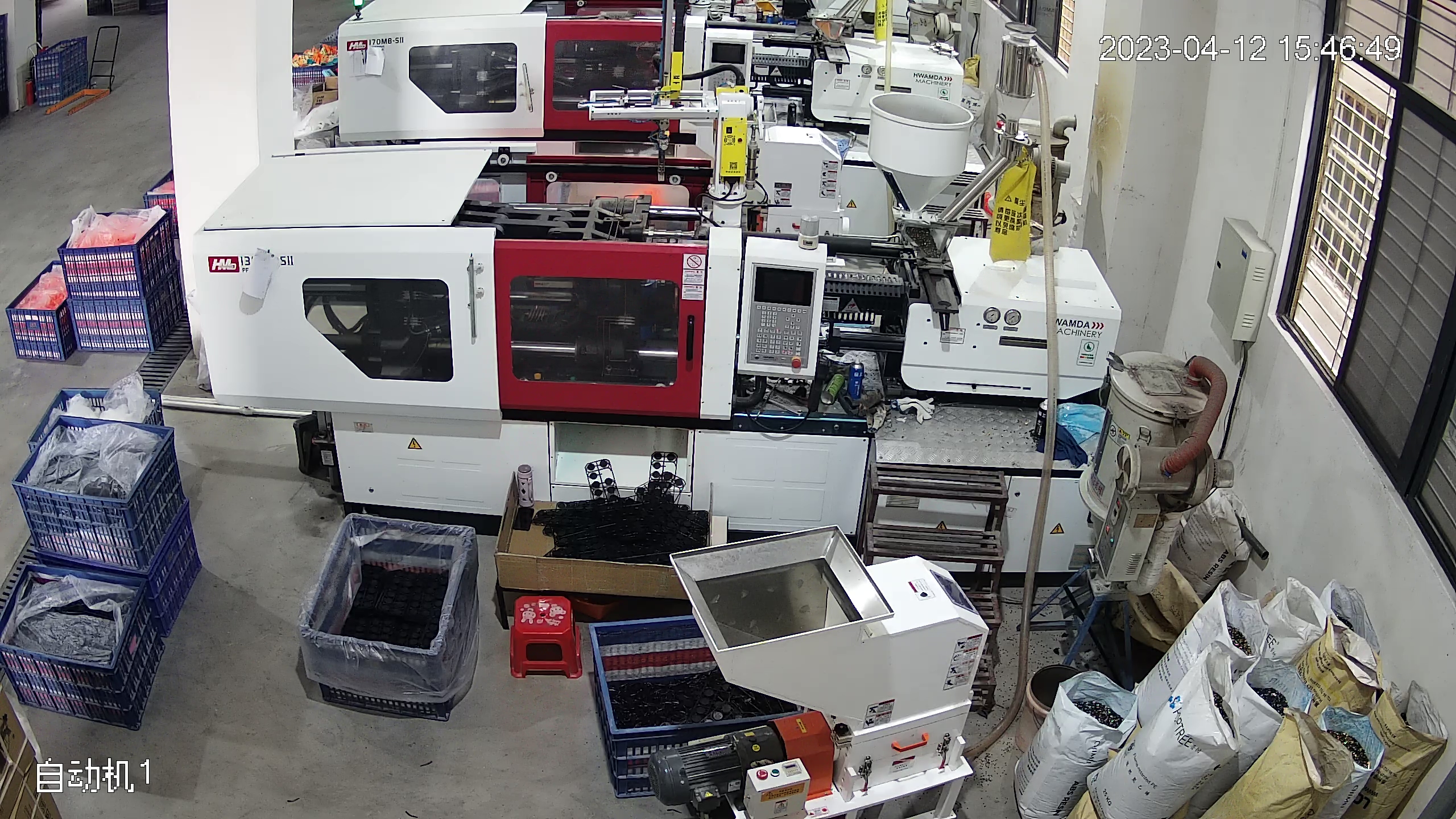
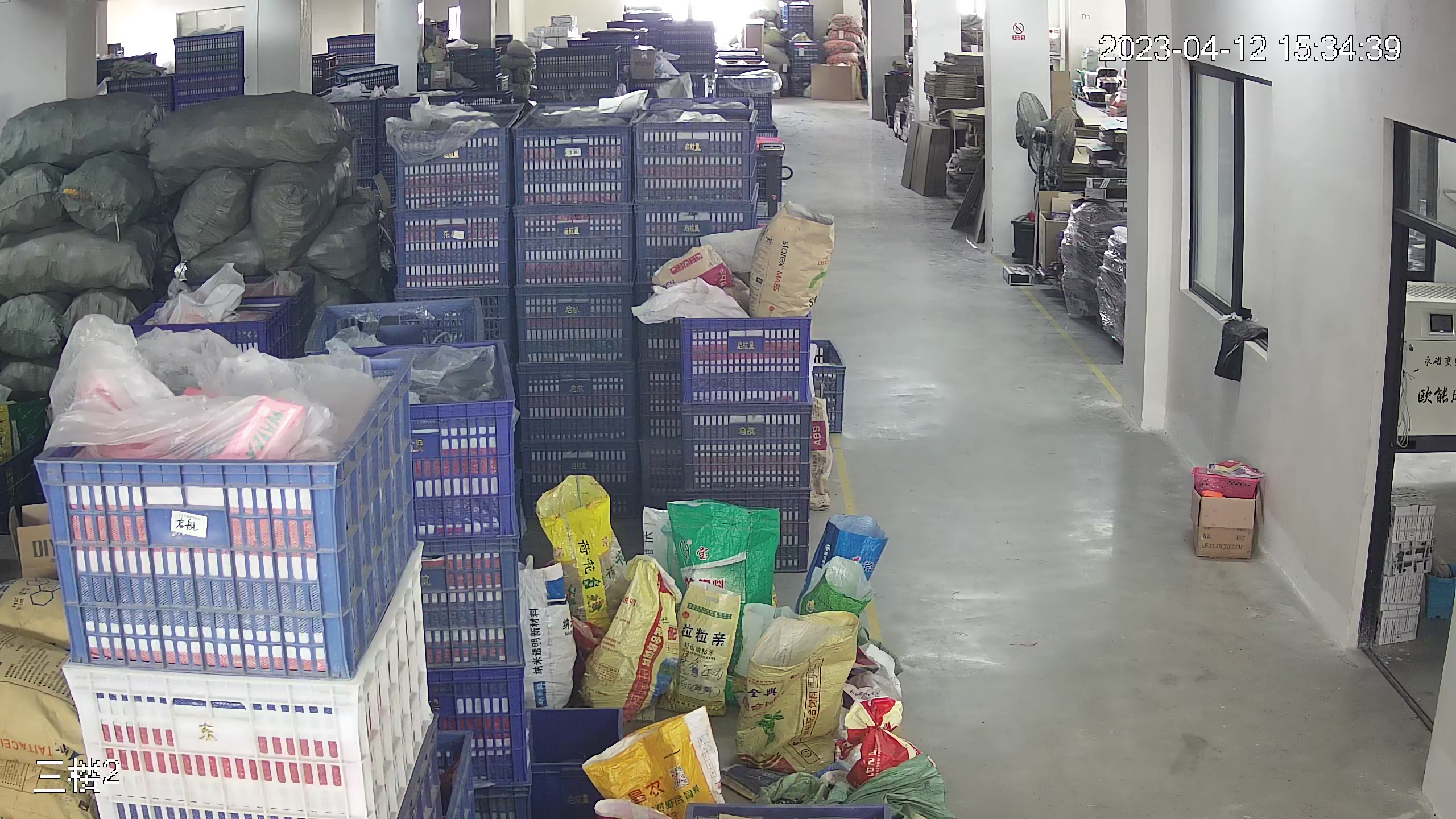
| MOQ flexibility | A factory offering low MOQs (e.g., 500 units) may be a trader, not the manufacturer. Verify by asking for factory photos or video call. |
| Red flag | Supplier cannot explain the educational goal of their best-selling STEM toy in one sentence. |
| Red flag | All "STEM" products look identical except for packaging — indicates a generic kit with no task design. |
| Red flag | No written quality control process or third-party testing records available. |
Build & Maintain the Relationship
Once you've identified a reliable STEM toy manufacturer, invest in a clear quality agreement upfront. Specify that each shipment must include a sample from the batch for an educational task audit — not just a safety check. Schedule quarterly video calls with the production manager to review any design changes. If you reorder the same product, request updated test reports at least every 12 months. Avoid suppliers that resist sharing raw component sources or refuse to let you visit (even virtually). A long-term relationship with a factory that understands educational goals will reduce your risk of receiving "STEM-washed" inventory.
Supplier Evaluation Checklist
Ask for the product's educational objective in writing: what specific concept is taught, and through what task?
Request at least one third-party lab test report (lead, phthalates) dated within the past 12 months.
Inspect the instruction manual: does it include a hypothesis, steps, and a data-recording section?
Check if the product has been used in any school or curriculum — ask for a reference or case study.
Confirm the supplier is the actual manufacturer: ask for a factory tour (video is acceptable) showing production lines, not just showroom.
Verify MOQ per SKU and whether custom packaging or design changes affect the MOQ.
Get the lead time in writing: typical lead time for a custom STEM toy from China is 45–60 days after design approval.
FAQ
What is the minimum order quantity for a STEM toy like a water rocket launcher?
MOQ varies by spec. For a custom design with your packaging, factories typically require 1,000–3,000 units per SKU. Stock designs may have lower MOQs, around 500 pieces.
Can I get a sample before placing a bulk order for a STEM toy?
Yes, reputable manufacturers will offer a pre-production sample for a fee that is refundable upon order. Insist on testing the sample with actual children to see if the task is achievable.
How do I verify that the 'STEM' claim is real and not just a marketing gimmick?
Ask the supplier to describe the specific task the child performs. A genuine STEM toy has a measurable outcome — e.g., 'launch a rocket at a 30-degree angle and record the height.' If the answer is vague, the toy is likely not educational.
What certifications do I need for STEM toys sold in the US and Europe?
For the US: ASTM F963 and CPSIA. For Europe: EN 71. Additionally, if the toy is marketed as educational, you may want a review from an educational body, though it's not a legal requirement.
What is a reasonable lead time for a custom STEM toy order from a Chinese manufacturer?
Typically 45–60 days from design approval to shipment. This includes mold creation, sample approval, and production. Rush orders may be possible but often come with a premium.
How can I reduce shipping costs for bulk STEM toy orders from China to the US?
Consolidate multiple SKUs into one container, use sea freight (FCL or LCL), and choose a port close to your warehouse (e.g., Los Angeles for West Coast). Work with a freight forwarder who specializes in toys.
Request a Quote
Ready to find a STEM toy supplier that delivers real educational value? Fill out the request form with your target product type, MOQ, and destination market. We'll connect you with verified manufacturers that provide task-based design documentation and full certification packages.