
A Midwest importer wired an $18,000 deposit to a factory that claimed to be “squishy experts.” The samples arrived late and smelled of industrial solvent. The factory’s website displayed a Toys Kingdom logo—but a call to the retailer’s purchasing office revealed the factory had never shipped a single unit. That loss was avoidable in one afternoon.
Vetting a toy supplier through their relationships with specialist retailers—Toys Kingdom, Toys City, and Party City—is the fastest way to separate factories that actually ship from those that only claim to. You need three pieces of redacted documentation, a geographic logic check, and one uncomfortable question about past quality disputes. The sections below show you exactly how to extract each one.
Why Specialist Retailers Matter in Toy Supplier Vetting
General certifications like ISO 9001 or BSCI tell you a factory can follow a process. A purchase order from a specialist chain tells you the factory’s product actually sells at retail. That distinction is everything.
Specialist retailers—chains that focus on toys, party goods, or children’s products—run their own brutal supplier qualification. Their buyers visit floors, audit child-labor compliance, test for phthalates, and measure on-shelf performance. If a factory has sustained a relationship with Toys Kingdom or Party City for multiple seasons, the factory has survived a gauntlet that most B2B platforms never replicate.
From the factory’s perspective, these accounts serve a dual purpose. They stabilize production schedules with repeat orders, and they act as a living portfolio. A factory that can point to a five-year run with Toys City doesn’t need to explain its quality control—the relationship does the talking.
The Three Retailers That Signal Real Category Expertise
Toys Kingdom operates across multiple Asian markets with a focus on collectible figures, licensed plush, and impulse-price toys. A supplier that moves volume through Toys Kingdom typically understands fast restocking, strict lead-time windows, and the packaging requirements of high-turnover retail shelves.
Toys City is weighted toward family entertainment and party goods—pinata fillers, slime kits, squishy blind bags, and novelty stress toys. For any factory claiming expertise in sensory or fidget toys, a Toys City reference is the most credible proof you can request.
Party City in the US buys enormous seasonal volumes. A factory that has survived Party City’s compliance audit has likely passed EN71 and ASTM F963 testing at scale and can handle container-level orders with precise ship windows. One tell: Party City typically requires suppliers to hold inventory buffers for holiday spikes, so a factory with Party City history usually has the working capital and warehouse space to manage your peak seasons too.
Step 1: Ask for the Relationship—Not the Logo
Many factories paste retailer logos onto their website or catalog without permission. The logo itself proves nothing. Instead, ask for three specific pieces of evidence: a redacted purchase order showing the retailer’s name and the factory’s address; a redacted packing list with container numbers and port of loading; and the name and email domain of a buyer at the retailer who can confirm the relationship.
A legitimate factory will push back on the contact—retailer buyers don’t want to field reference calls from every prospect—but they can often provide a redacted email thread showing order negotiations. A factory that refuses all three requests, or claims that “confidentiality” prevents any documentation, is almost certainly fabricating the relationship.
Step 2: Match the Factory’s Production Cluster to the Retailer’s Category
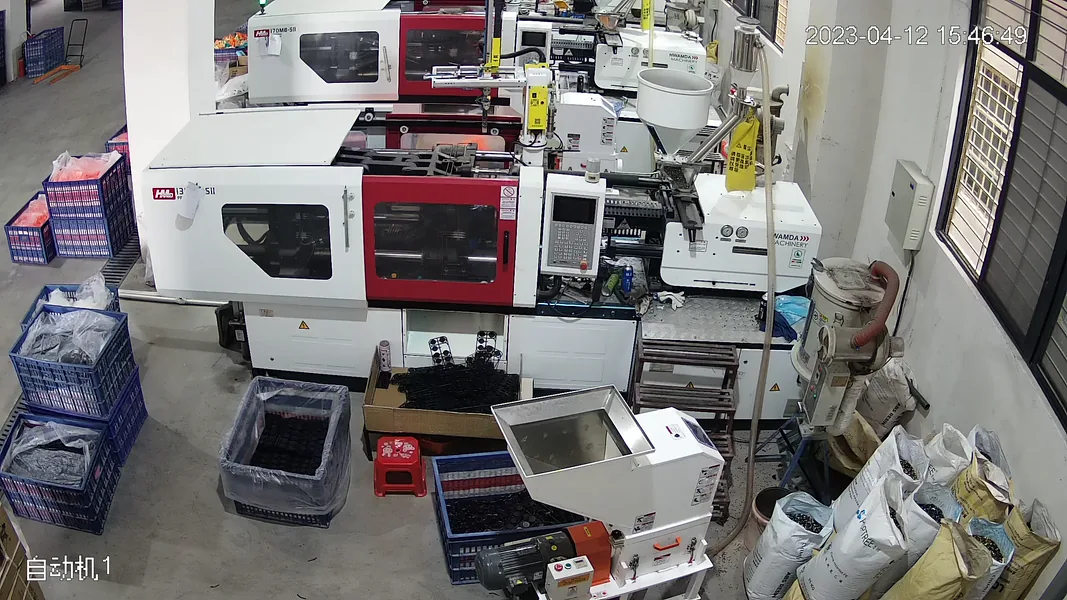
Every factory sits inside a production ecosystem that shapes what it actually makes well. Chenghai district spans only 345 square kilometers but contains over 10,000 toy manufacturing and supporting enterprises. Those factories cluster by specialization: Fengxiang subdistrict dominates mold-making and precision injection; Lianxia Town handles large-scale injection molding; Lianshang Town owns electronic and smart toys; Xinan Town runs craft toys and spray-painting operations; Yanhong Town produces inflatable and water toys; Longdu Town focuses on plush and fabric toys.
If a factory claims to be a Party City supplier for plush toys but operates out of Fengxiang—a precision injection cluster—something doesn’t align. Cross-reference the factory’s physical address with its claimed category expertise. A plush factory should sit in Longdu; a squishy or water-toy factory should cluster near Xinan or Yanhong. This geographic logic is hard to fake.
Step 3: Verify Through the “Eight Audits” Lens
Serious factories in the Chenghai ecosystem subject themselves to an eight-point supplier qualification process: qualification audit, capacity audit, technical capability audit, quality control audit, certification audit, social responsibility audit, financial health audit, and cooperation willingness audit. When you’re checking a retailer reference, map the retailer’s requirements onto these eight dimensions.
Party City, for instance, will have pushed hardest on social responsibility and financial health—they need to know the factory won’t fold mid-season. Toys Kingdom’s fast SKU turnover means they stress technical capability and cooperation willingness. Ask the factory which of the eight audits the retailer scrutinized most heavily. A factory that can’t answer this question has either never been through a real retailer audit or is unwilling to discuss it—both red flags.
Step 4: Test the Factory’s Post-Sale Behavior with the Retailer
A factory’s true colors show after a shipment arrives. Ask the factory to describe a specific quality dispute with their retailer partner and how it was resolved. Every long-term supplier-retailer relationship has had at least one claim—color mismatch on plush, phthalate migration on a squishy, late delivery for a seasonal set. A factory that says “we’ve never had a problem” is either lying or too new to have useful experience.
Listen for specifics: which batch was affected, what root cause was identified, what corrective action was implemented, and whether the retailer continued ordering afterward. A factory that can walk you through a claim resolution with Toys City or Party City demonstrates the exact capability you need when your own shipment has an issue.
What a Real Retailer Reference Should Include
| Document type | Redacted purchase order or packing list |
|---|---|
| What to verify | Factory name and address match; retailer name visible; dates within the last 18 months |
| Red flag | Logo-only reference with no transaction documents; PO with blurred factory name |
| Category alignment | Products on the PO match the factory's claimed specialization |
| Red flag | Factory claiming plush expertise but POs show only plastic injection items |
| Retailer buyer contact | Name and corporate email domain (not Gmail/Yahoo) |
| Red flag | Factory provides only a WhatsApp number with no company email |
| Claim resolution history | Specific quality dispute with root cause and corrective action described |
| Red flag | Factory claims zero quality issues across multi-year relationship |
When the Reference Checks Out: What You’ve Actually Bought
A verified Toys Kingdom or Party City reference doesn’t just validate the factory’s quality. It confirms the factory can handle seasonal demand spikes, navigate third-party lab testing without delays, pack to retailer-specific barcode and label standards, and absorb the cost of a recall if something goes wrong. That last point matters more than anything: a factory with deep retailer relationships has margin structures and insurance arrangements that a trade-show-only factory typically lacks.
For importers in Southeast Asia, the bar is different but no less useful. The region holds 660 million people with roughly 150 million children, and toy market growth runs at 12–15% annually. Competition is moderate and entry barriers are lower than in the US or EU. A factory that has supplied Toys Kingdom in Indonesia or Thailand understands the ASEAN regulatory landscape—SNI certification, Bahasa Indonesia labeling, and the faster replenishment cycles that characterize Jakarta and Bangkok retail.
Frequently Asked Questions About Vetting Toy Suppliers
What if the factory says their retailer agreement prevents sharing any documents?
Nearly all supplier agreements include confidentiality clauses, but redacted documents—with pricing and quantity blacked out—are standard practice for reference checks. A blanket refusal strongly suggests the relationship doesn't exist.
Can I verify a retailer reference without contacting the retailer directly?
Partially. Redacted purchase orders and packing lists provide strong evidence on their own. You can also check the retailer's public supplier lists or sustainability reports, which sometimes name key manufacturing partners.
How many retailer references should I request from one factory?
Two to three is standard. A factory that supplies only one specialist retailer may have a narrow capability set; a factory with relationships across Toys Kingdom, Toys City, and a regional chain demonstrates broader operational flexibility.
Does a Party City reference guarantee the factory can handle my smaller order?
Not necessarily. Party City orders typically run to container volumes. Confirm that the factory has a dedicated small-batch line or flexible MOQ policy for new importers—large-retailer capability doesn't automatically translate to small-order willingness.
What geographic cluster should a squishy or stress-ball factory sit in?
Most squishy and stress-ball production clusters around Xinan Town (craft toys and spray-painting) in Chenghai district. A squishy factory operating elsewhere in the region should be able to explain why.
Request a Quote
If you're sourcing squishies, stress balls, or novelty toys and want to work with a factory that has verified relationships with Toys Kingdom, Toys City, and Party City, reach out to TopToyFactory. We'll provide redacted reference documentation and discuss your category requirements directly.
Request a quote today and let's build a supplier relationship that stands up to the toughest retailer audit.