
A tariff is not a fixed cost you either pay or dodge by moving production out of China. In 2026, as multiple US toy companies challenge sweeping new duties in court and Section 301 tariffs keep biting, experienced importers aren't fleeing China—they're re-engineering the product itself inside the factory. This you through exactly how a flexible Chinese OEM can turn a 20–30% landed-cost headache into a manageable line-item through three concrete levers: material substitution, packaging optimization, and adjusted minimum order quantities. You'll also get a supplier evaluation checklist and the RFQ questions that separate cost-cutters from partners who will actually deliver compliant, on-budget toys to your warehouse.
The 2026 Tariff Reality: It's Not Just Section 301 Anymore
The trade policy floor shifted in early 2026. The White House imposed a new round of across-the-board tariffs on Chinese goods, layered on top of the existing Section 301 duties that never went away. For toys—classified largely under HTS Chapter 95—the combined duty rate on a standard plush or plastic toy can now exceed 35%, depending on the specific subheading. Several US toy companies have filed lawsuits arguing the new tariffs exceed executive authority, but litigation moves slowly. In the meantime, the duty is collected at the port of entry, and it hits your cash flow immediately.
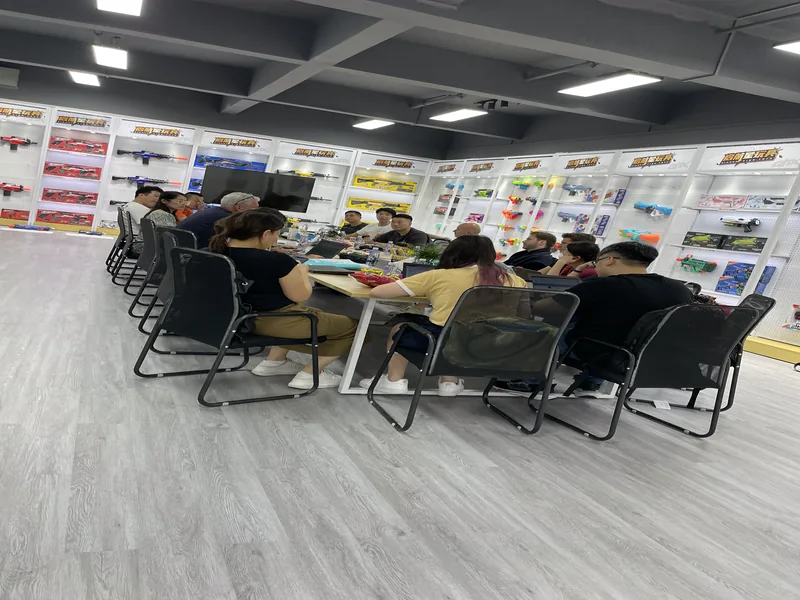
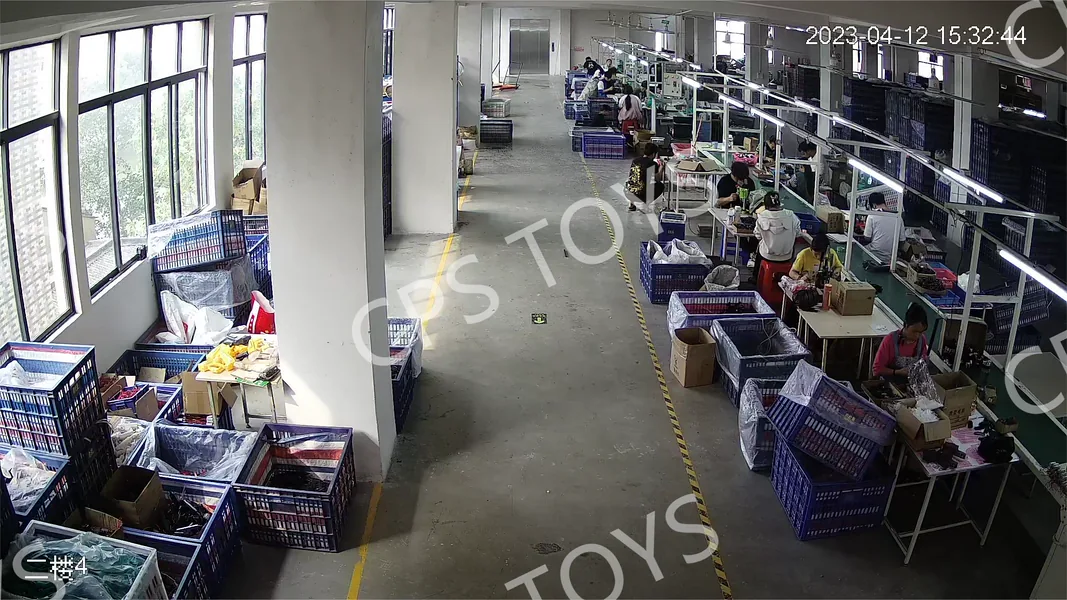
This doesn't mean China sourcing is dead. The toy manufacturing cluster in Chenghai, Shantou, remains unmatched in speed, material access, and sheer production density. Stop treating the tariff as a customs problem and start treating it as a product-engineering problem—one your OEM partner should help solve before the mold is even cut.
Lever 1: Material Substitution to Shift the HTS Classification
A toy's tariff rate often hinges on its 'essential character'—the material that gives the article its primary function or appeal. A plush doll with a plastic voice box might be classified as a stuffed toy (higher rate) or a plastic figure (different rate), depending on how customs interprets the breakdown. A sharp OEM will propose material swaps early in the design phase that legally shift the classification toward a lower-duty subheading.
For example, replacing a metal chassis with a high-strength ABS skeleton on a ride-on toy can reclassify the item while maintaining structural integrity. Swapping a cotton-blend outer fabric for a polyester knit on a plush can change fiber-content thresholds. The factory doesn't need to be a customs broker, but they do need to understand how material choices upstream affect your landed cost downstream. Ask for a bill of materials (BOM) with weight percentages before finalizing the spec—your customs attorney can run a binding ruling scenario from that data.
Lever 2: Packaging Optimization to Cut Cube and Duty Basis
US customs assesses duty on the transaction value—what you actually pay the factory. That value includes the cost of packaging. When a factory quotes you FOB, the gift box, insert tray, and outer carton are all part of the dutiable amount. Shrinking the package isn't just a freight play; it directly reduces the dollar figure on which the tariff percentage is calculated.
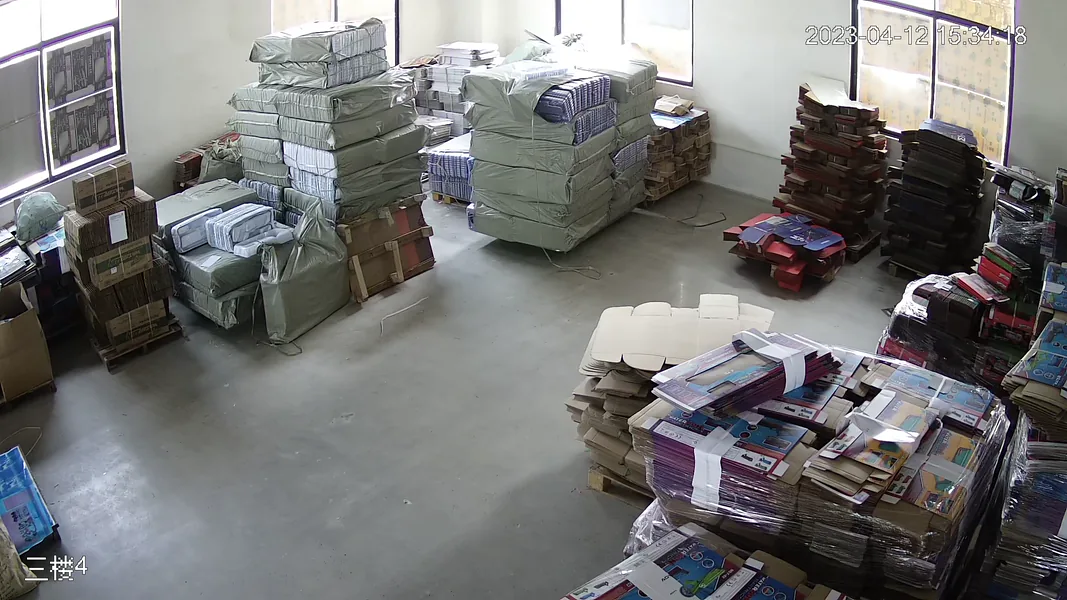
Three moves that work right now: (1) Eliminate the individual gift box and switch to a polybag with a full-color insert card—saves 15–25% on packaging cost and often 18–30% on cube. (2) Redesign the inner tray to nest components instead of using a single flat layout, letting you fit more units per master carton. (3) Move from a 5-ply corrugated shipper to a 3-ply with optimized flute direction when the product weight allows it. A Chenghai-based OEM that designs packaging in-house can turn these changes around in a single sample iteration, not weeks.
Lever 3: MOQ Flexibility as a Cash-Flow and Duty Timing Tool
Tariffs are paid upon entry, but you don't have to import an entire year's stock in one shipment. Splitting a purchase order into smaller, more frequent deliveries reduces the per-shipment duty outlay and ties up less working capital. That only works if your factory accepts reduced minimum order quantities without punishing you on unit price.
The Chenghai ecosystem is structurally suited to this. With over 10,000 toy enterprises and supporting manufacturers in a tight geographic radius, factories can pull components from nearby mold shops, pad printers, and packaging suppliers in days, not weeks. Many mid-sized OEMs in the region will run an initial 3,000-unit order at a modest 8–12% price premium over the 10,000-unit tier—far less than the cost of financing a large shipment that sits in a 3PL for six months. Negotiate a stepped MOQ schedule: commit to an annual volume, but take delivery in quarterly tranches. The factory gets line visibility; you get tariff-timing flexibility.
Key Takeaways for 2026 Toy Importers
- 1. Treat tariffs as a product-design problem: Material choice and packaging cube directly affect both HTS classification and dutiable value. Involve your OEM's engineering team before finalizing the spec.
- 2. Re-engineer the BOM early: A detailed bill of materials with weight percentages lets your customs attorney pursue a binding ruling. Don't wait until the PO is signed.
- 3. Packaging matters twice: It adds to your FOB cost (raising the duty base) and consumes container cube. Polybag+insert-card designs often save 15–25% on packaging cost alone.
- 4. Split shipments, not commitments: Negotiate annual volume agreements with quarterly releases. You reduce per-shipment duty outlay while giving the factory forecast confidence.
- 5. Vet for tariff-awareness, not just price: A factory that can't discuss material density, HTS implications, or cube optimization isn't the partner you need in 2026.
How to Evaluate a Tariff-Savvy OEM Partner
| BOM transparency | Does the factory provide a component-level bill of materials with material types, weights, and country of origin for each input? |
|---|---|
| In-house packaging design | Can they redesign gift boxes, inserts, and master cartons without outsourcing? Turnaround time for a packaging sample? |
| MOQ flexibility | What is the MOQ for a new mold vs. an existing mold? What price step-up applies at 3,000 vs. 10,000 units? |
| Material-swap experience | Can the engineering team propose 2–3 alternative materials for key components with density, cost, and compliance data? |
| Compliance documentation speed | How many days to produce EN71/ASTM F963 test reports for a modified material? Do they use an accredited lab? |
What to Ask Suppliers Before You Send the PO
The RFQ stage is where you separate factories that understand tariff engineering from those that just fill orders. Send these questions with your next inquiry. A factory that answers all six with specifics—not 'we can try'—is worth a pilot order.
1. Can you provide a full BOM with material percentages by weight for each component?
2. What are three material alternatives you'd propose for the main body/component to reduce the dutiable value without compromising safety compliance?
3. Show me a packaging redesign you've done for another client that reduced cube by more than 15%. What was the before/after?
4. What is your MOQ on this item using an existing mold, and what is the unit-price step-up if I order 3,000 units instead of 10,000?
5. How many days from material-change approval to updated EN71/ASTM test report from an ISO 17025-accredited lab?
6. What is your standard incoterm, and do you offer FOB Shantou with the option to nominate my own forwarder?
A factory that pushes back on the BOM question or can't name a specific packaging case study isn't equipped for the 2026 tariff environment. Move on.
Supplier Evaluation Checklist
| Location & ecosystem | Factory located in Chenghai, Shantou or within 50km of the toy supply chain cluster? (Proximity to mold shops, printers, and component suppliers cuts sample turnaround to days.) |
|---|---|
| In-house engineering | Does the factory employ at least one full-time product engineer who can discuss material density, mold flow, and packaging cube? (Not just a salesperson who forwards your spec.) |
| BOM & material sourcing | Provides detailed bill of materials with country of origin for each input? Can source alternative materials (e.g., ABS vs. PP, polyester vs. cotton blend) within 72 hours? |
| Packaging capability | In-house packaging design and sample-making? Can produce a polybag+insert-card sample within 5 working days of request? |
| MOQ & pricing transparency | Clearly stated MOQ for new molds vs. existing molds. Unit-price step-up for 3,000/5,000/10,000-unit tiers is documented, not vague. |
| Compliance & testing | Uses ISO 17025-accredited third-party labs (e.g., SGS, Intertek, TÜV). Can provide EN71/ASTM F963 test reports within 10 working days of material change. |
| Logistics & incoterms | Offers FOB Shantou/Shenzhen. Accepts buyer-nominated forwarders. Can provide a verified freight quote for a full container load to US West Coast within 48 hours. |
| Communication & responsiveness | Responds to technical questions (not just price inquiries) within 24 hours. Assigns a dedicated project contact who speaks professional English. |
FAQ: China OEMs and US Toy Tariffs in 2026
What is the current US tariff rate on toys imported from China?
Combined Section 301 duties and new 2026 tariffs exceed 35% for many HTS Chapter 95 toys. Exact rates depend on the specific subheading and material composition. A licensed customs broker can provide a binding ruling on your product.
Can I legally reduce tariffs by changing the toy's materials?
Yes, if the material change genuinely alters the product's essential character and shifts it to a lower-duty HTS subheading. This is a legitimate tariff-engineering strategy, not evasion. Document the change with a customs attorney and your factory's engineering team.
How does packaging affect my tariff bill?
US customs assesses duty on the transaction value (FOB price), which includes packaging cost. Reducing packaging material and cube lowers both the dutiable value and the freight cost. A polybag design replacing a rigid gift box can cut packaging costs by 15–25%.
What is a realistic MOQ for a new toy product from a Chinese OEM?
For existing molds, many Chenghai factories accept 3,000–5,000 units with an 8–12% price premium over the 10,000-unit tier. New molds typically require a minimum order of 5,000–10,000 units to amortize tooling costs, though this varies by product complexity.
How fast can a Chinese OEM turn around a packaging or material change?
A well-equipped factory in the Chenghai cluster with in-house packaging design can produce a modified sample in 3–5 working days. Updated EN71/ASTM test reports from an accredited lab typically take 7–10 working days after sample submission.
Should I move production out of China to avoid tariffs entirely?
Not necessarily. Alternative sourcing countries lack the toy-specific supply chain density of Chenghai. Material availability, mold-making speed, and compliance infrastructure are often weaker. For many buyers, re-engineering the product with a Chinese OEM partner yields better total landed cost than switching countries.
Request a Quote
Tariff engineering works best when the factory is involved from the first sketch—not after the mold is cut. If you're developing a new toy line or re-evaluating an existing SKU for 2026 landed costs, reach out for a no-obligation consultation. A product specialist can walk through your bill of materials, packaging spec, and order cadence to find the levers that move the needle. Visit www.toptoyfactory.com to start the conversation.