
A 5,000-unit MOQ on a plush toy RFQ is not a fixed number—it is a math problem you can solve. Negotiating OEM minimum order quantities with Chinese factories means restructuring the order to remove cost without removing value. This article breaks down how to reduce MOQs across plush, plastic, electronic, and educational toy categories by targeting the real cost drivers: existing molds, packaging complexity, raw material procurement, and labor setup. You will learn what a realistic MOQ band looks like for each category, which concessions actually work with a Chenghai or Shantou factory, and how to frame a conversation that gets you a trial run without compromising quality or compliance.
Key Takeaways for OEM MOQ Negotiation
- MOQs are driven by material, not just labor: Fabric MOQs for plush toys and chip procurement volumes for electronics are the real floor. Labor setup costs are secondary.
- Existing molds immediately lower plastic toy MOQs: If you can use a shared or existing mold in Chenghai, MOQs can drop from thousands to a few hundred units.
- Packaging is the fastest way to cut costs: Simplifying from a rigid gift box to a polybag with a card insert can reduce the MOQ by 30-50% for a first order.
- Phased delivery is your strongest alternative: Committing to a total volume over 3-4 months with a firm first installment often beats a single low MOQ request.
The Real Math Behind a Factory MOQ
A factory in Chenghai quotes an MOQ of 3,000 pieces to cover the minimum economic batch of raw materials and the setup cost of a production line. For plush toys, the binding constraint is fabric. A fabric mill typically requires a minimum dyeing lot of 100-200 meters per color. If your plush design uses three colors and consumes 0.5 meters per unit, you are already at 600 units just to avoid fabric waste. The rest of the MOQ covers cutting die setup, embroidery programming, and line changeover.
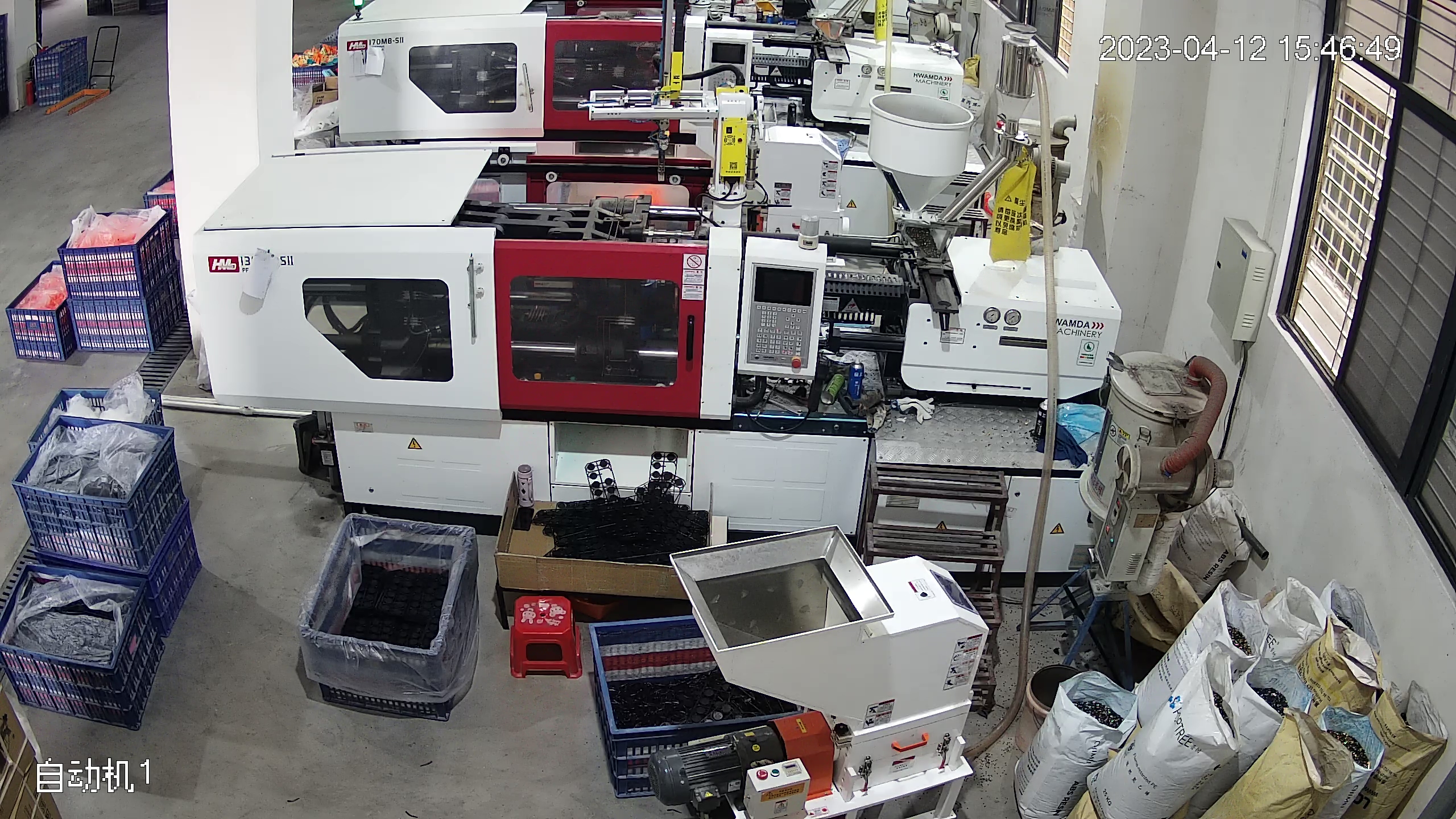
For plastic injection toys, the constraint shifts to the mold and resin. A multi-cavity steel mold costs $3,000-$8,000. The factory amortizes this over your order. If you are paying for a new mold, you can sometimes negotiate a very low initial run—even 500 units—because the factory already recovered its tooling cost. If they own the mold and are offering it to you, they need a run of 2,000-5,000 to justify tying up the machine. Electronic toys add another layer: PCB fabrication and chip programming. A bare PCB panel often has a minimum order of 50-100 panels, and each panel might hold 10-20 boards.
Educational flash cards or simple paper-based toys have the lowest physical MOQ for materials, but the highest sensitivity to printing plates. A CMYK offset print setup is expensive to stop and restart. A factory might agree to 1,000 sets if you accept digital printing for the first run, then switch to offset for the reorder. Understanding these material floors is the first step to a productive negotiation.
Realistic MOQ Ranges by Toy Category (Chenghai/Shantou Factories)
| Plush Toys (basic design, 3 colors) | MOQ: 1,000-3,000 pcs. Main driver: fabric dyeing minimums + embroidery setup. |
|---|---|
| Plastic Injection Toys (existing mold) | MOQ: 500-2,000 pcs. Main driver: machine setup time + resin lot size. |
| Plastic Injection Toys (new custom mold) | MOQ: 500-1,000 pcs. Main driver: mold cost amortized separately; factory flexible on run size. |
| Electronic Learning Toys | MOQ: 2,000-5,000 pcs. Main driver: PCB fabrication batch + chip procurement + safety testing. |
| Educational Flash Cards / Card Games | MOQ: 1,000-3,000 sets. Main driver: printing plate setup; digital print option lowers to 500. |
| Wooden Toys | MOQ: 500-1,500 pcs. Main driver: wood lot sourcing + CNC programming; simpler shapes trend lower. |
Negotiation Tactic 1: Use Existing Molds and Standard Components
The single most effective way to slash a plastic toy MOQ is to design around what already exists. In Chenghai, thousands of mold libraries sit idle between orders. Ask the factory point-blank: 'Do you have a mold shape close to my design that I can use or modify?' A standard 4-inch doll body mold, for example, can be reused for a different character with a new head sculpt and paint scheme. You pay for one new mold (the head) instead of two, and the factory drops the MOQ because they only need to schedule a short injection run for the head and a painting shift.
This same principle applies to components. Many electronic toys share common sound chips, battery boxes, and speaker units. If your product can use the factory's existing chip with only a programming change, you avoid the chip supplier's full-reel MOQ. The same goes for screws, axles, and suction cups. Design for standardization is a procurement strategy, not just a design one. Send your RFQ with a note: 'We are open to modifying the design to use your existing component library if it lowers the MOQ.' The factory engineer will often come back with specific, actionable suggestions.
Negotiation Tactic 2: Simplify Packaging to Unlock Lower Runs
Packaging is the hidden MOQ multiplier that most buyers overlook. A rigid set-up box with a foam insert and magnetic closure requires a separate factory (a printing and box-making specialist), and that supplier has its own MOQ—often 1,000-2,000 boxes, regardless of how many toys you order. If your toy MOQ is 500, you still have to buy 1,000 boxes. The factory builds that waste into the unit price or refuses the order.
The fix is disarmingly simple: start with a plain polybag and a full-color printed card insert for your first run. The insert can be produced digitally at very low quantities. Then, for your second order, introduce the gift box. This staged approach lets you test the market at 500-1,000 units without paying for dead inventory. For Amazon FBA sellers, this also solves a real problem: polybagged toys with a card insert meet FBA frustration-free packaging requirements and often incur lower fulfillment fees. A Japanese educational brand followed exactly this path with a new card game line—500-unit test in a simple tuck box, 3,000-unit reorder in a rigid gift box after their market validation was complete.
Negotiation Tactic 3: Phased Delivery and Blanket Orders
A factory's resistance to a low MOQ is fundamentally a risk problem: they fear setting up a line for a one-time small batch that never recovers the setup cost. You can solve this by offering certainty over time instead of volume on day one. Propose a blanket order: a total commitment of 6,000 units over 12 months, with a first delivery of 1,000 units and rolling 30-day forecasts for the rest. Sign a simple framework contract. Post a 30% deposit on the total commitment to show you are serious.
This structure is common in Japanese procurement practice and is widely respected in Shantou. It lets the factory purchase raw materials in bulk for the full volume (capturing the discount), hold the inventory, and release it in smaller production batches. Your per-unit cost on the first 1,000 will be higher than the later batches because the labor setup cost is concentrated in the first run, but your cash outlay and inventory risk stay low. A specific clause to include: the right to adjust colors or packaging for later deliveries based on first-run market feedback. This turns your trial order into a genuine partnership, not just a one-off squeeze.
Negotiation Tactic 4: What to Trade Away (and What Never to Compromise)
A negotiation is an exchange. Here is what you can safely offer in return for a lower MOQ: a slightly higher unit price for the first run (expect a 10-20% surcharge on a sub-MOQ batch), a longer lead time (let the factory fit your small run into a gap between larger orders), or a simplified color palette (reducing paint changes and fabric SKUs). You can also offer to pay for setup costs directly—embroidery digitizing, printing plate fees, or mold modification charges—as a separate line item. This removes the amortization burden from the per-unit price and makes the MOQ math cleaner.
What you should never compromise: safety testing and certification. A factory that offers to skip EN71 or ASTM F963 testing to lower your cost or MOQ is a factory to walk away from. The test lab fee is a fixed cost, not a per-unit cost, so it does not affect the MOQ calculation in any meaningful way. A legitimate factory will require testing regardless of order size. The same goes for material quality: do not accept a substitute fabric or plastic resin that lacks the correct grade certification. A $500 saving on resin is not worth a container held at customs.
How to Start the Conversation: A Practical Script
Most buyers make the mistake of opening with 'What's your best price?' or 'Can you do 200 pieces?' Both signal inexperience. Start instead by acknowledging the factory's real constraints and proposing a structure. A more effective opener sounds like this:
'We are launching a new educational toy line and need a reliable manufacturing partner in Chenghai. Our initial market test requires 800 units. We understand your standard MOQ is 2,000 for this category. Can we discuss a phased approach—800 units now, with a firm commitment to 3,000 more within 6 months if the market response is positive? We are flexible on packaging and can use your existing standard components where possible. We will cover all tooling and testing fees separately.'
This script does several things at once: it states your need clearly, shows you understand the factory's economics, offers a concrete alternative to a single small order, and signals that you are not a price-only buyer. It also opens the door for the factory to propose creative solutions, like running your order on a night shift or combining it with another client's run of a similar product.
Regional Reality: Why Chenghai and Shantou Approach MOQs Differently
Chenghai, a district of Shantou in Guangdong, is the densest toy production cluster in the world. Over 10,000 enterprises form a complete chain from mold-making and injection molding to spray painting, electronic assembly, and packaging. This vertical density creates a specific MOQ dynamic: factories here tend to be more flexible on small runs than isolated factories elsewhere, because they can outsource a sub-component (like a custom blister tray) to a neighbor who does short runs every day.
Yiwu factories, in contrast, are primarily wholesalers and aggregators. Their strength is ready-stock and mixed-container consolidation, not custom OEM production. A Yiwu MOQ for a custom plush toy will typically be higher and less negotiable than a Chenghai factory's, because the Yiwu operation is not vertically integrated—they are buying fabric and labor from someone else. If you need true OEM/ODM with design input, material traceability, and flexible MOQ negotiation, you should be talking to a Shantou-based factory directly, not a Yiwu trading company. The supply-chain advantage is real: a factory in Chenghai can source a new mold, a custom PCB, and a printed box all within a 5-kilometer radius, which is why they can sometimes say 'yes' to a request that a less integrated factory would refuse.
Inspection & Quality Control on Low-MOQ Orders
A small order does not mean a small quality risk. In fact, the opposite is often true: a factory running a short batch may assign a less experienced shift or rush the line changeover. Insist on a pre-shipment inspection regardless of order size. For a 500-unit plush order, an AQL 2.5 inspection of 50 pieces is inexpensive and fast. The inspection should cover: seam strength (pull test), fabric color matching against your approved swatch, stuffing density, and safety of attached components (eye pull test).
For electronic toys on a low MOQ, add a functional test: the inspector should test a random sample of units with fresh batteries and cycle through all functions. A single dead-on-arrival unit in a batch of 200 is a failure rate of 0.5%, which might be acceptable for a plush toy but is a red flag for electronics that suggests a soldering or programming issue. Also check the packaging barcode scan: a wrong UPC or FNSKU label on even 50 units can cause an FBA inbound rejection that costs more than the product itself.
FAQ: Negotiating OEM MOQs with Chinese Toy Factories
What is a realistic MOQ for custom plush toys from a Chenghai factory?
Expect 1,000-3,000 units for a standard design with 2-3 fabric colors. The MOQ can drop to 500 if you use a single-color design, accept a simpler embroidery pattern, and commit to a phased reorder.
Can I get an OEM MOQ of 500 units for plastic toys?
Yes, if the factory can use an existing mold and you are open to standard packaging. If a new mold is required, you will need to pay the mold cost separately, but the production run itself can be as low as 500 units.
How does packaging choice affect the MOQ on educational toys?
Significantly. A rigid gift box requires a separate supplier with its own 1,000-2,000 unit MOQ. Switching to a polybag with a printed card insert removes that constraint and can lower your overall MOQ to 500-800 sets.
Is it better to negotiate MOQ with a factory in Chenghai or a trading company in Yiwu?
A Chenghai factory almost always offers more flexibility on custom OEM MOQs because it controls the production line directly. Yiwu trading companies excel at ready-stock wholesale, not small-batch custom production.
What should I never trade away to get a lower MOQ?
Safety testing and material certification. A legitimate factory will not skip EN71 or ASTM F963 testing to lower costs. Compromising on these can get your shipment seized at customs or put a child at risk.
Can I get a sample before committing to the full MOQ?
Yes. Always request a pre-production sample (PPS) made from the actual production tooling and materials. This sample typically costs $100-$300 plus courier but verifies the factory's capability before you place the bulk order.
Request a Quote for Your Custom Toy Project
Every OEM negotiation starts with a clear specification. If you have a design brief, a target MOQ, and a packaging concept, our Chenghai-based team can provide a transparent quote with a suggested MOQ structure tailored to your market entry plan. Send us your RFQ and let's find the right production path for your first run.